The Intriguing History and Architectural Significance of the John R Drish House
November 19, 2025

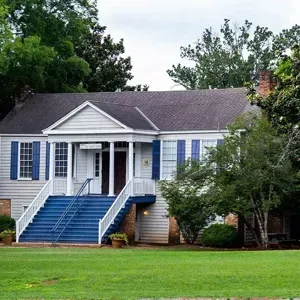
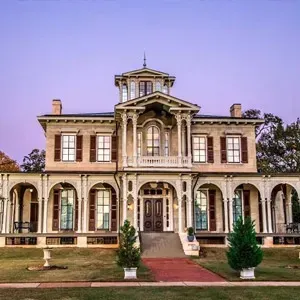
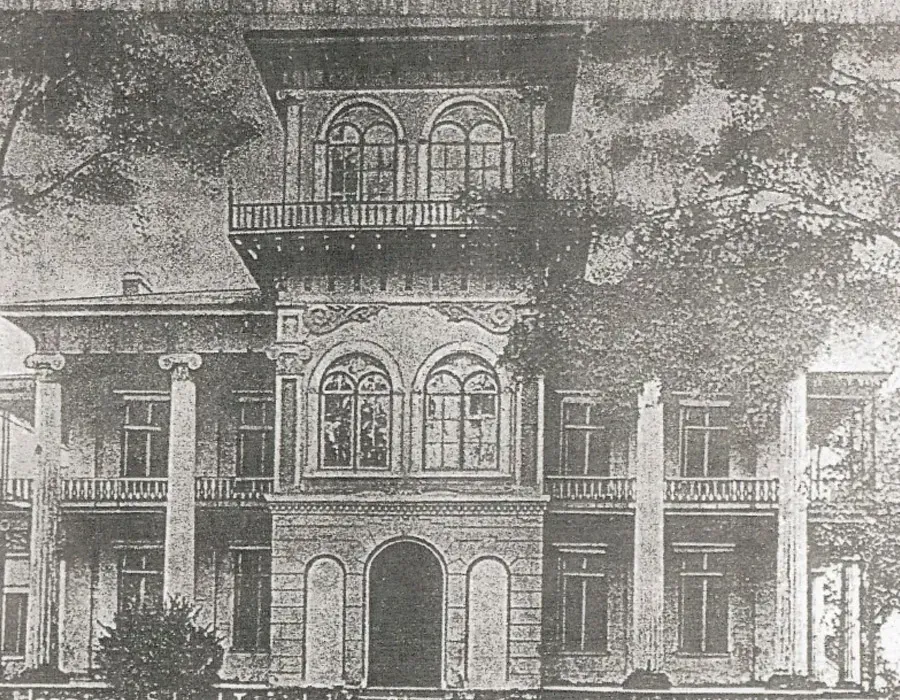
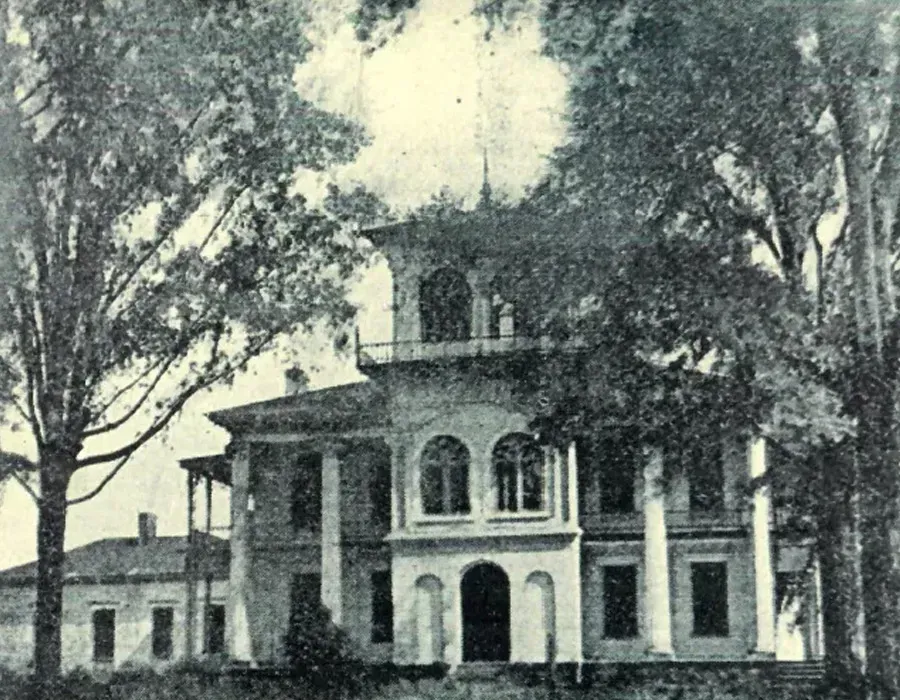
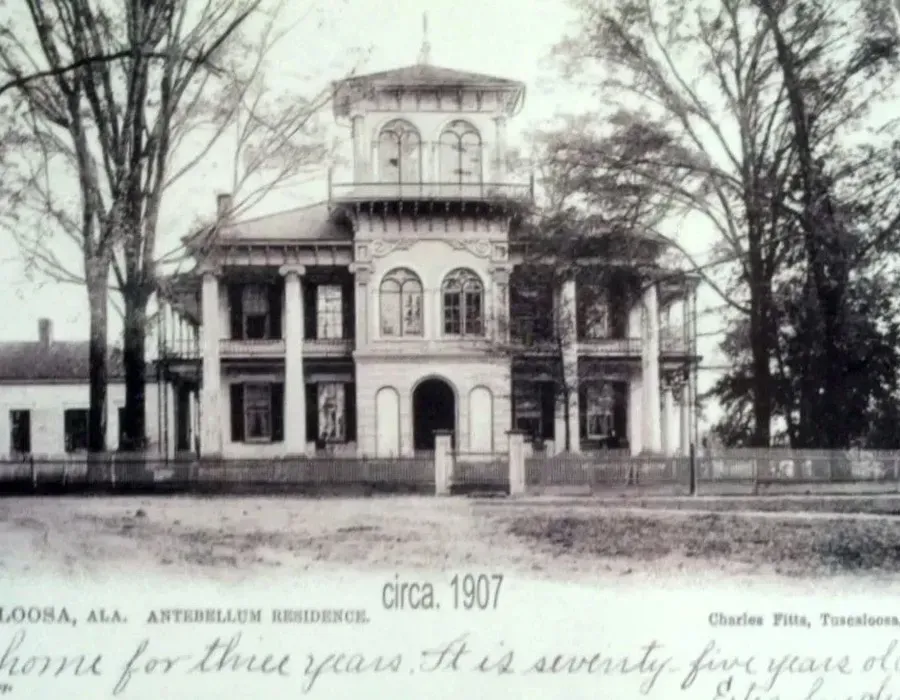
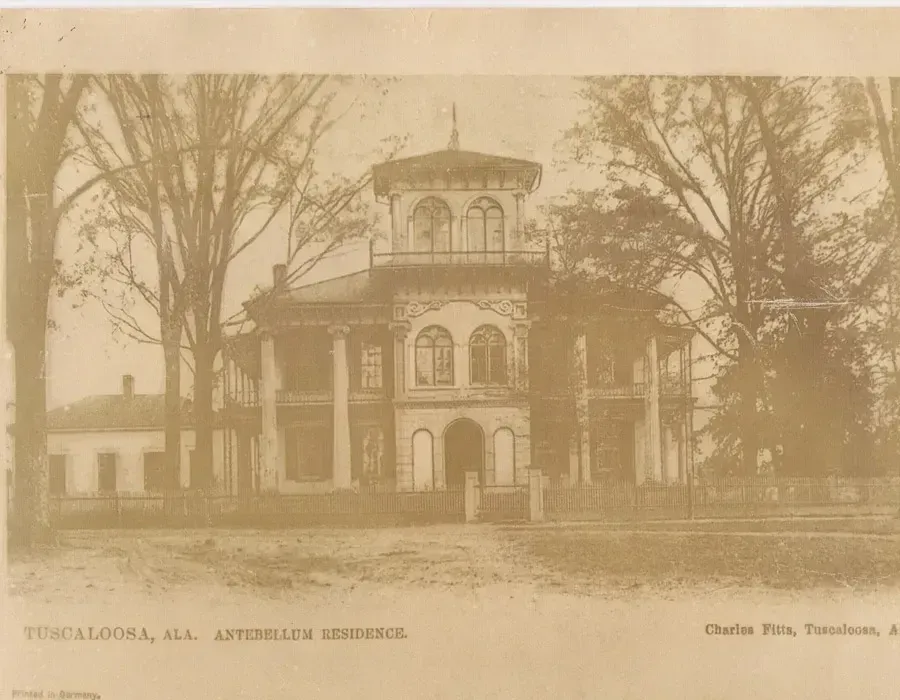
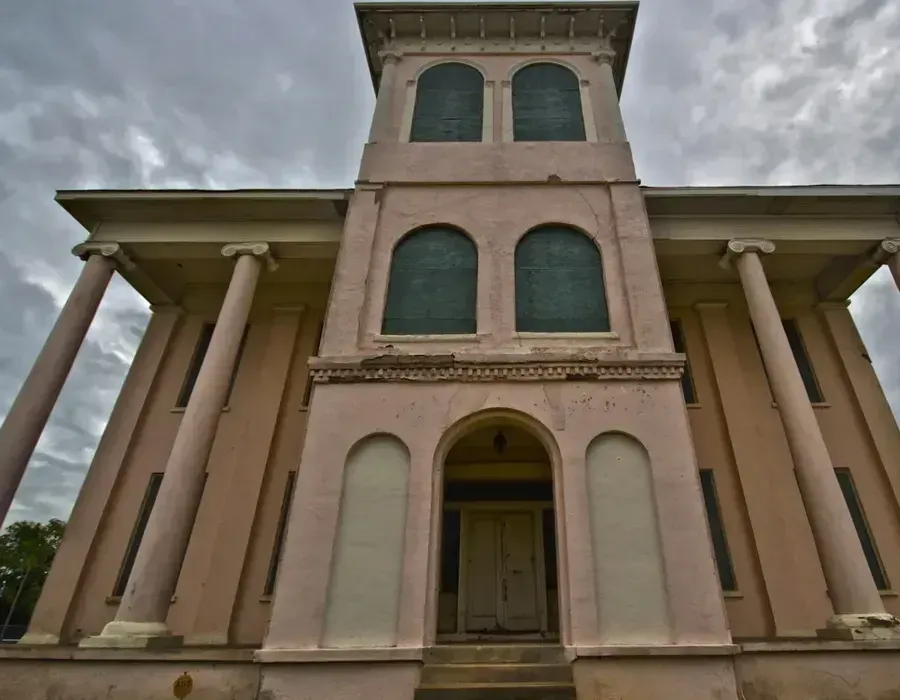
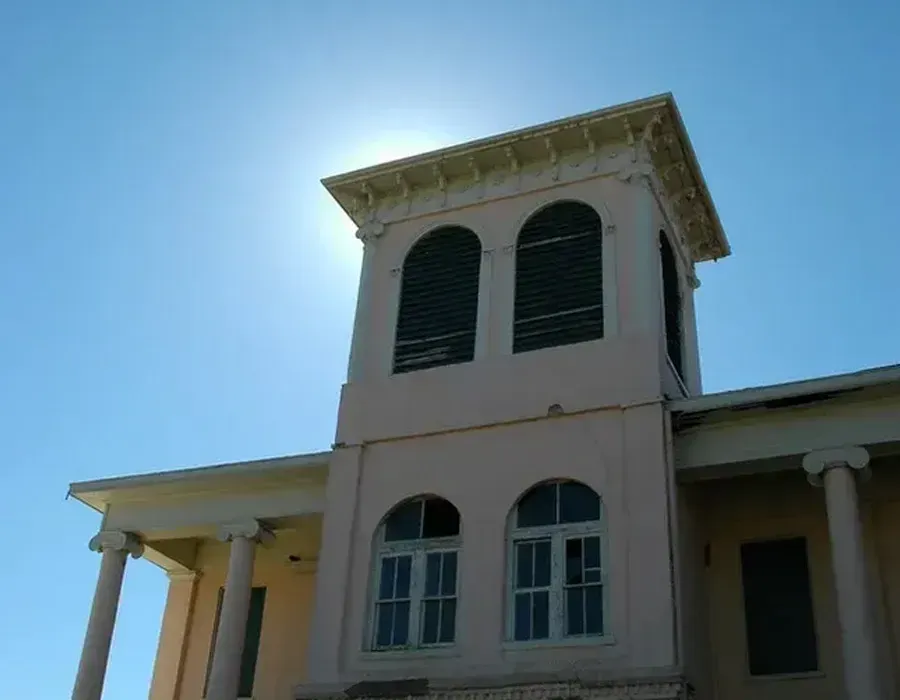
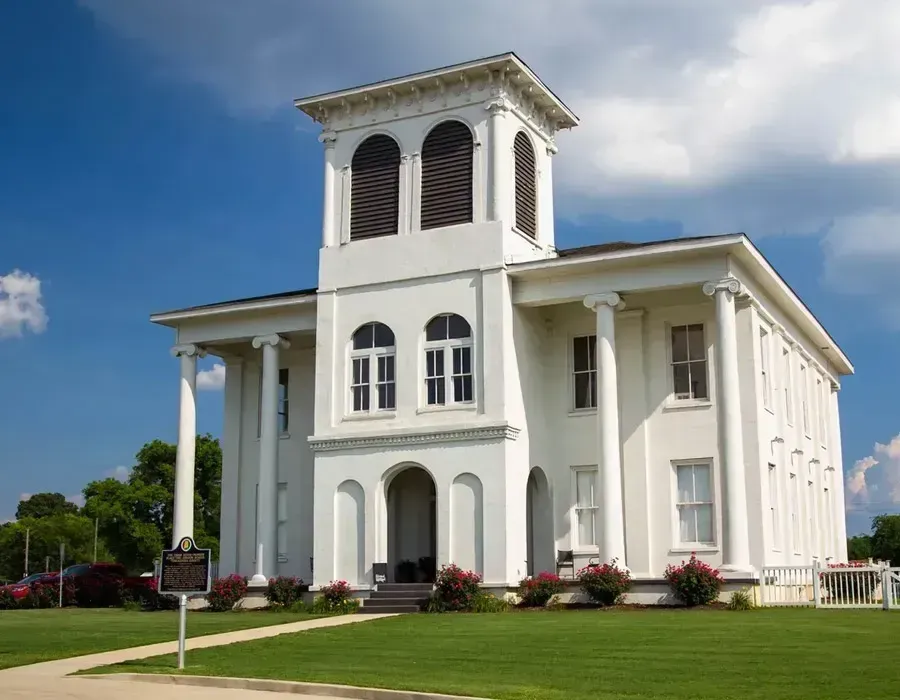
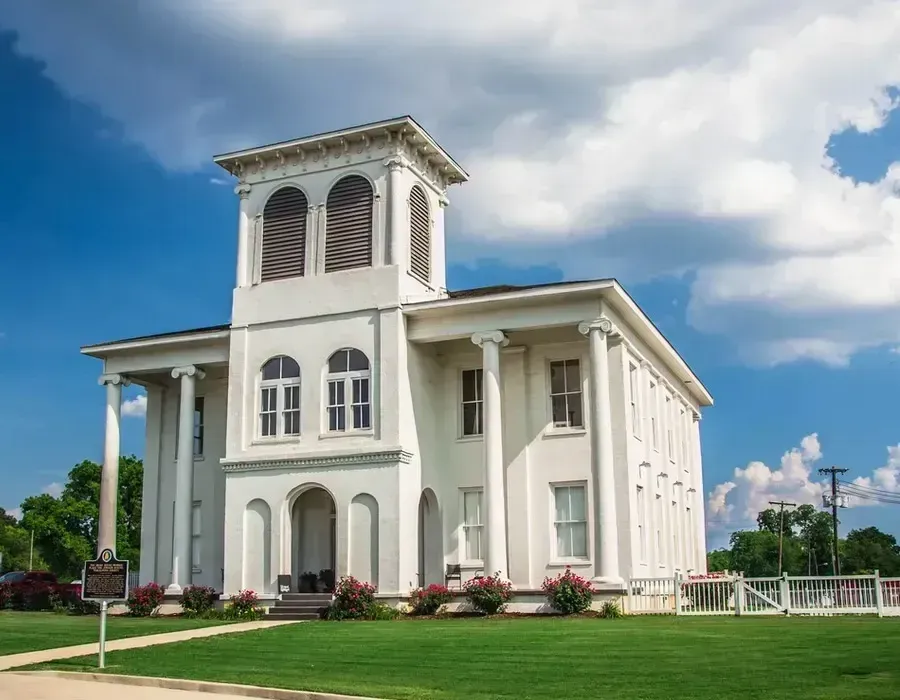
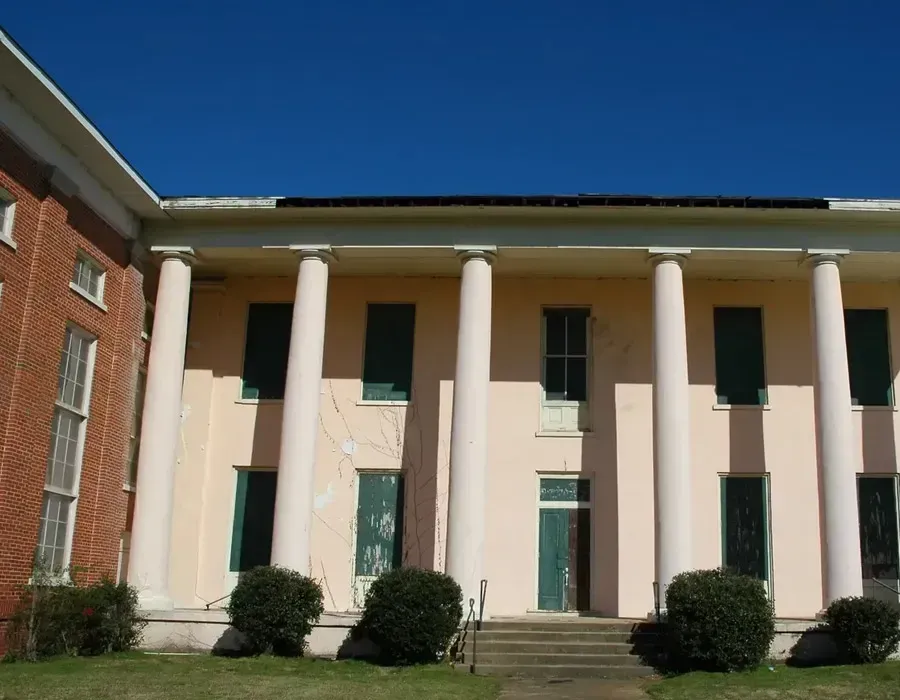
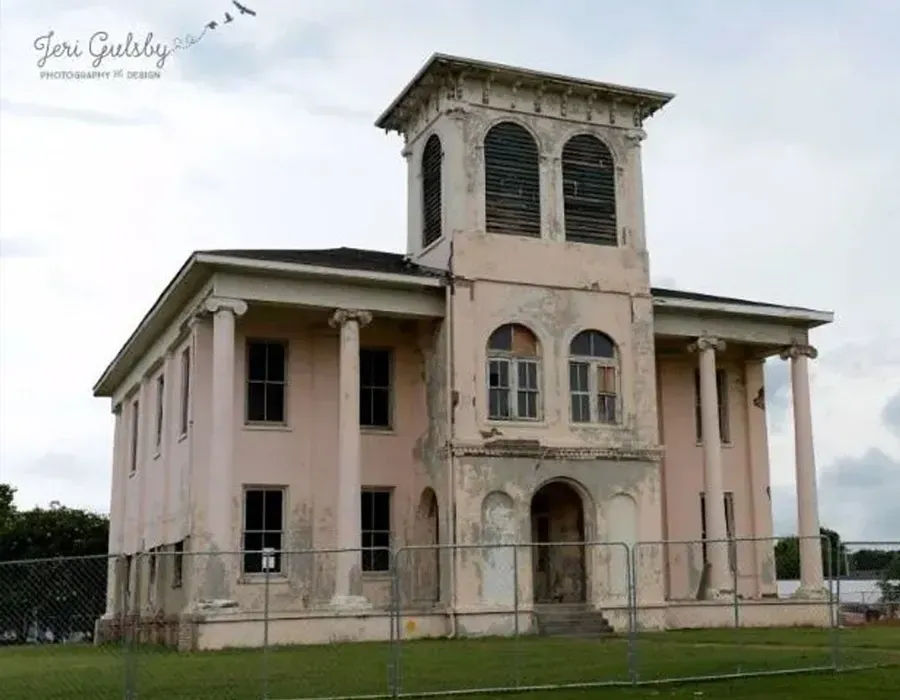
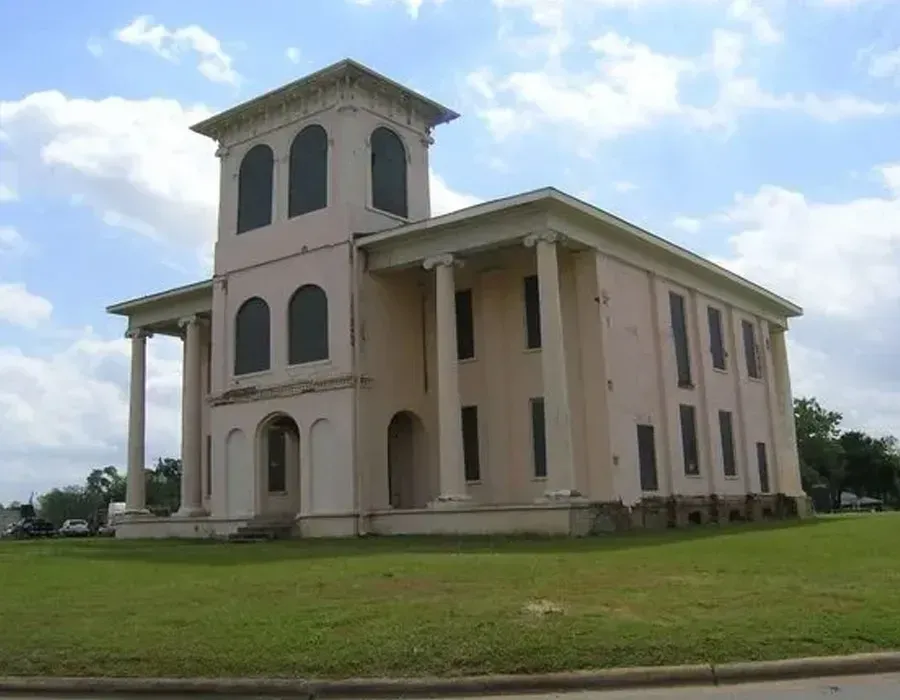
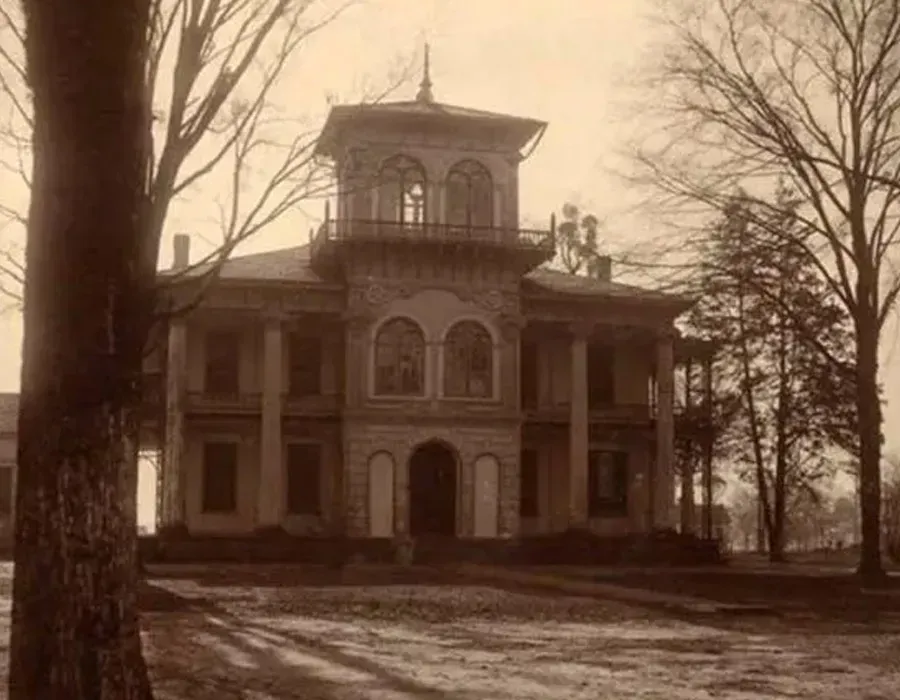
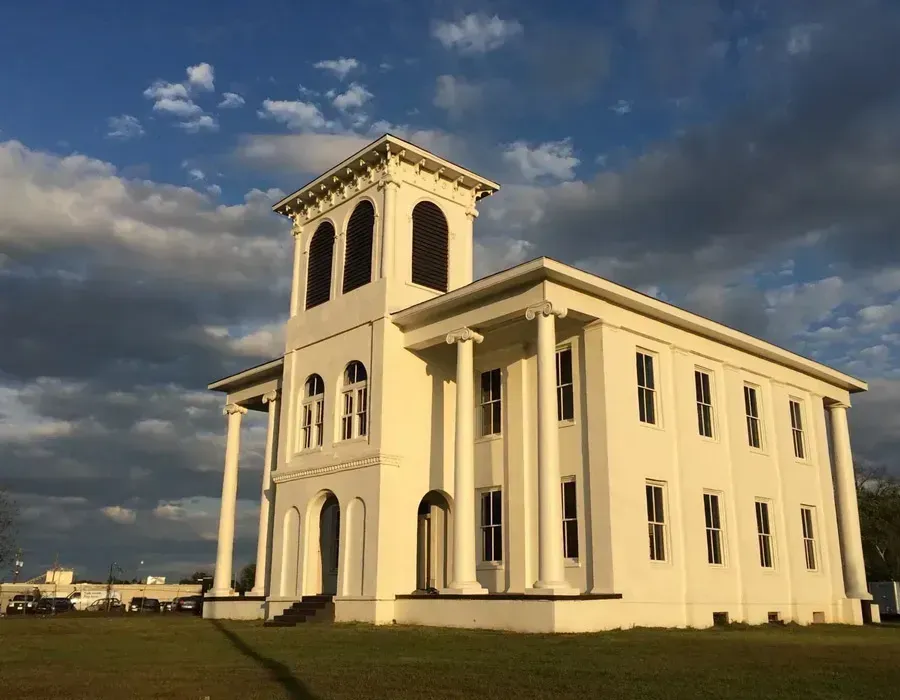
The John R. Drish House stands as a remarkable witness to Tuscaloosa history, embodying stories of transformation, resilience, and architectural innovation. Built in 1837 by enslaved laborers, this historic home has experienced dramatic shifts in purpose and condition, reflecting broader social and economic changes in the region. Its unique architectural style, a blend of Greek Revival and Italianate elements, makes it a rare example of "Bracketed Greek Revival" architecture. This post explores the rich history and architectural significance of the Drish home, offering historians a detailed look at its evolution and enduring legacy.

Early History and Construction

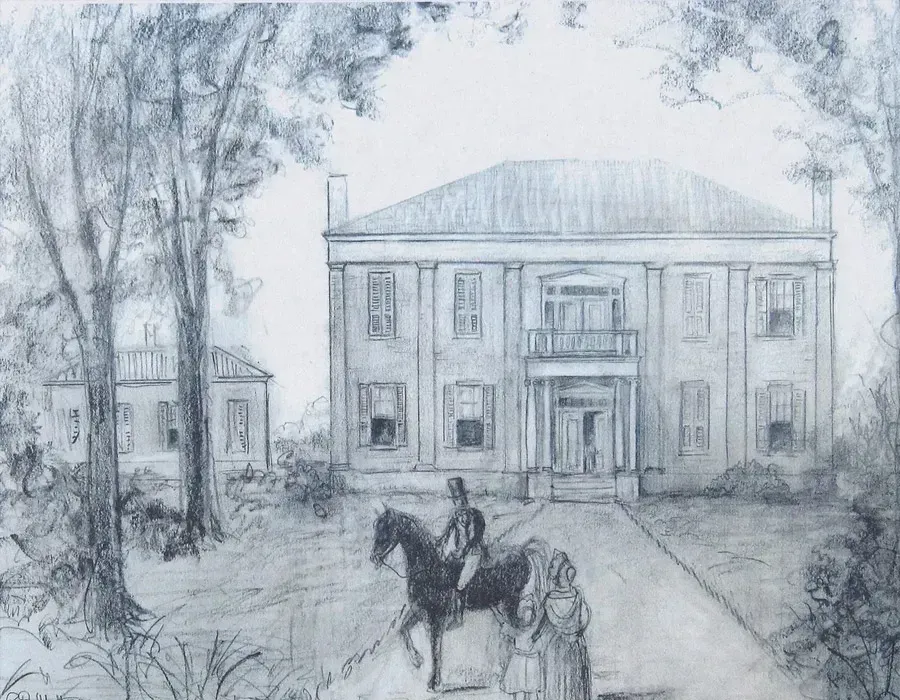
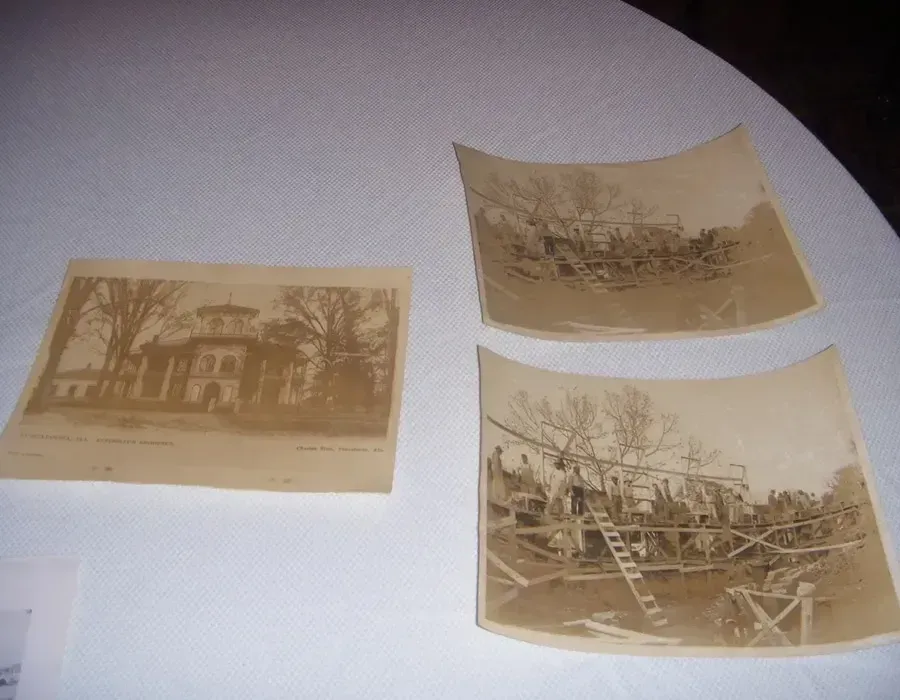
The Drish home was originally constructed in 1837 as the main residence of the “Monroe Place” plantation. Slave labor built the house, a fact that anchors it deeply in the complex and painful history of the American South. John R. Drish, the plantation owner, lived in the house until his death in 1867. Afterward, the property passed through several owners, and the plantation itself was gradually subdivided, reflecting the changing economic landscape after the Civil War.

This period marks the beginning of the house’s transformation from a private plantation home to a public and commercial space, mirroring shifts in Tuscaloosa history and society.

Transition to Public Use and Decline

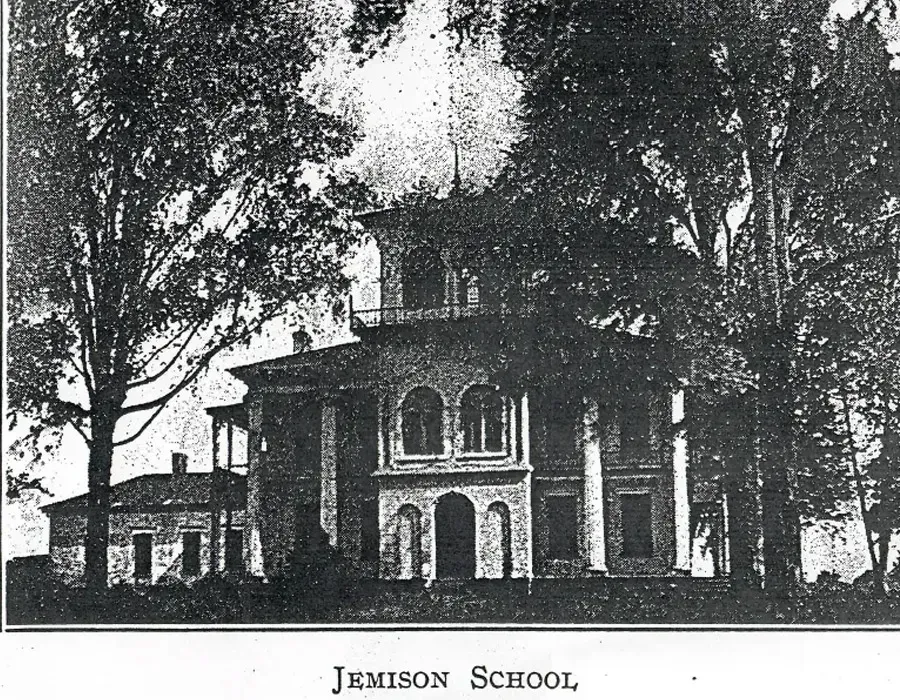
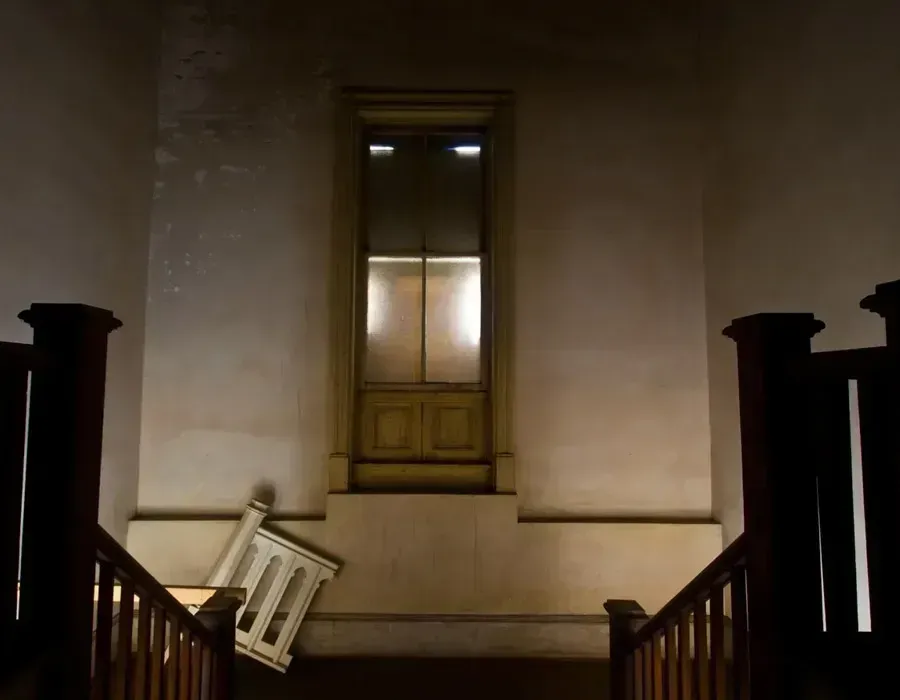
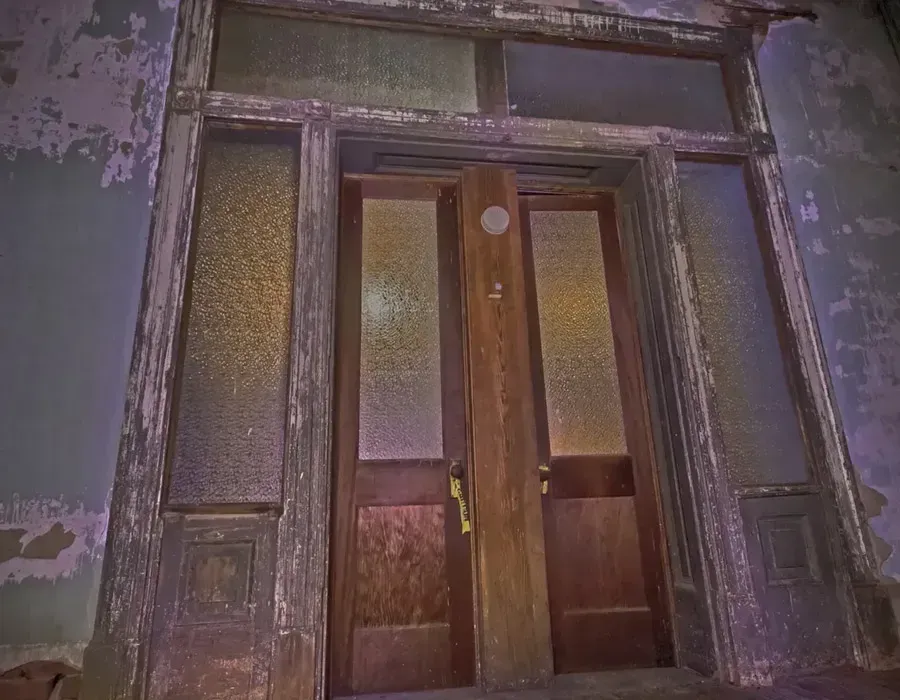
In 1906, the City of Tuscaloosa purchased the Drish home to serve as a public school. This new function lasted nearly two decades, from 1906 to 1925. Unfortunately, the heavy use as a school caused significant damage to the structure. The original landscaped grounds were stripped and repurposed as a playground, which further altered the estate’s historic character.

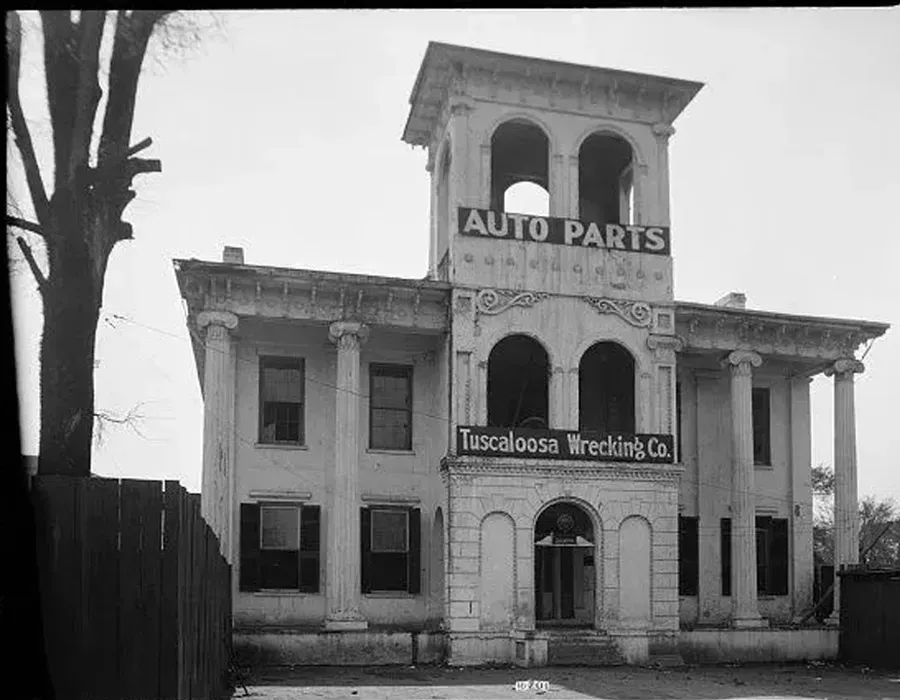
After the school closed, the city leased the property to Charles Turner in 1925. Turner operated an automobile wrecking company from the house, turning the once-elegant grounds into a junkyard filled with wrecked cars and assorted debris. This period of neglect and misuse starkly contrasts with the home’s original grandeur but adds a unique chapter to its story.

Photographic Documentation and Recognition

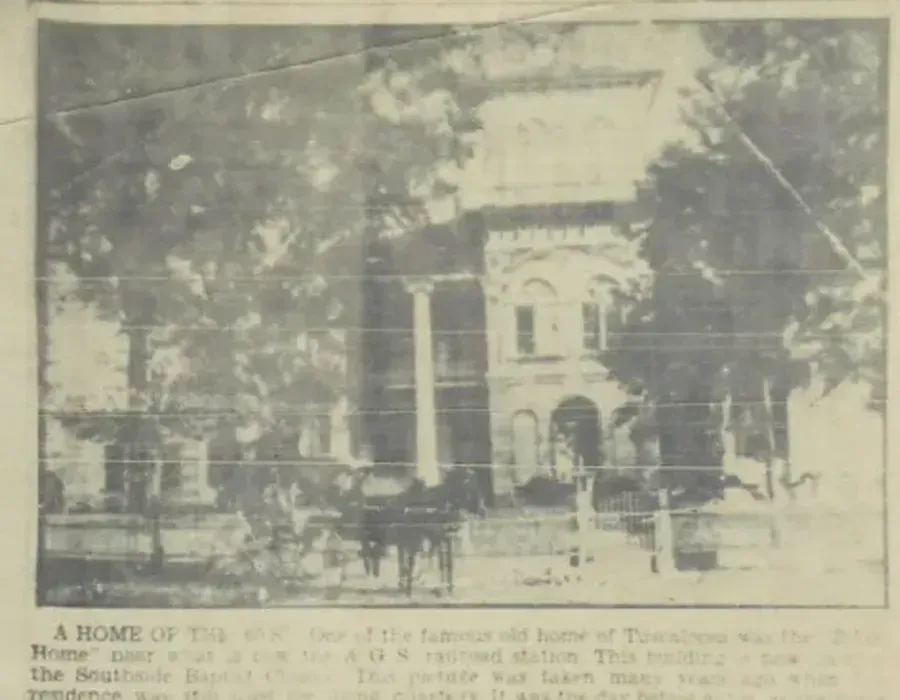
The Drish home’s unusual state during the 1930s attracted the attention of prominent American photographers. In 1936, Walker Evans captured the exterior of the house, producing a photograph titled “Tuscaloosa Wrecking Company.” This image has become one of Evans’ most famous works and is part of the Metropolitan Museum of Art’s collection. The photograph highlights the juxtaposition of decay and history, preserving a moment when the Drish home symbolized both neglect and endurance.

Two years later, Frances Benjamin Johnston included the Drish Mansion in her Survey of the Architecture of the South, sponsored by the Carnegie Foundation. Johnston’s work helped document and raise awareness of southern architectural heritage, including the unique features of the Drish home.

Restoration and Preservation Efforts

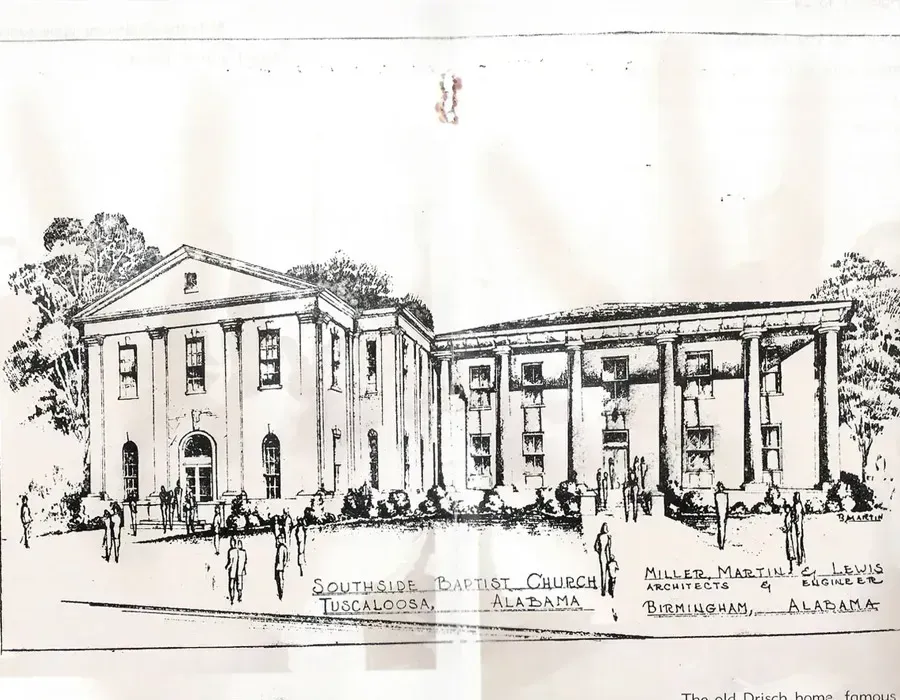
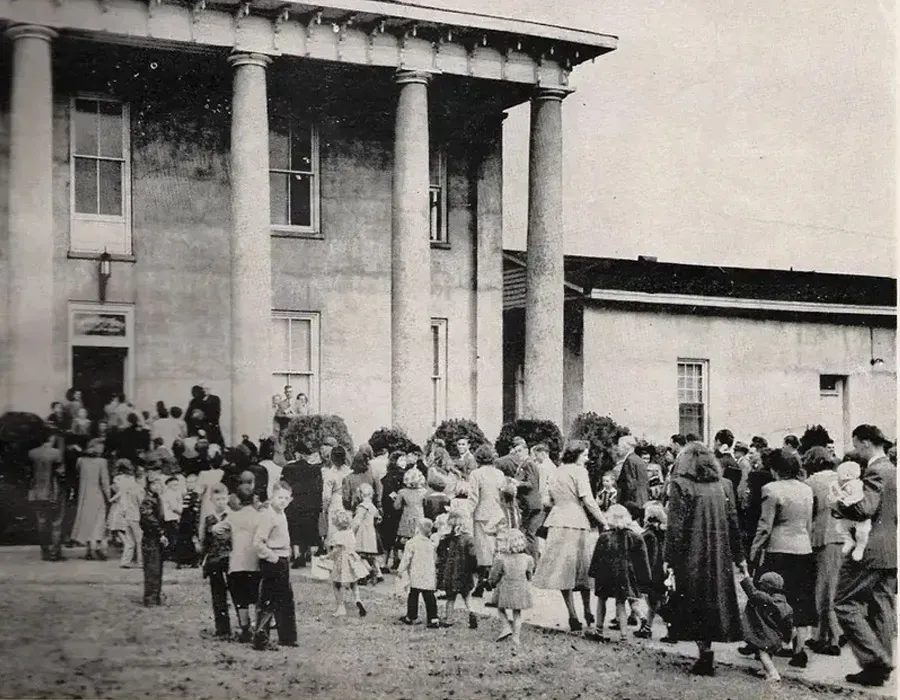
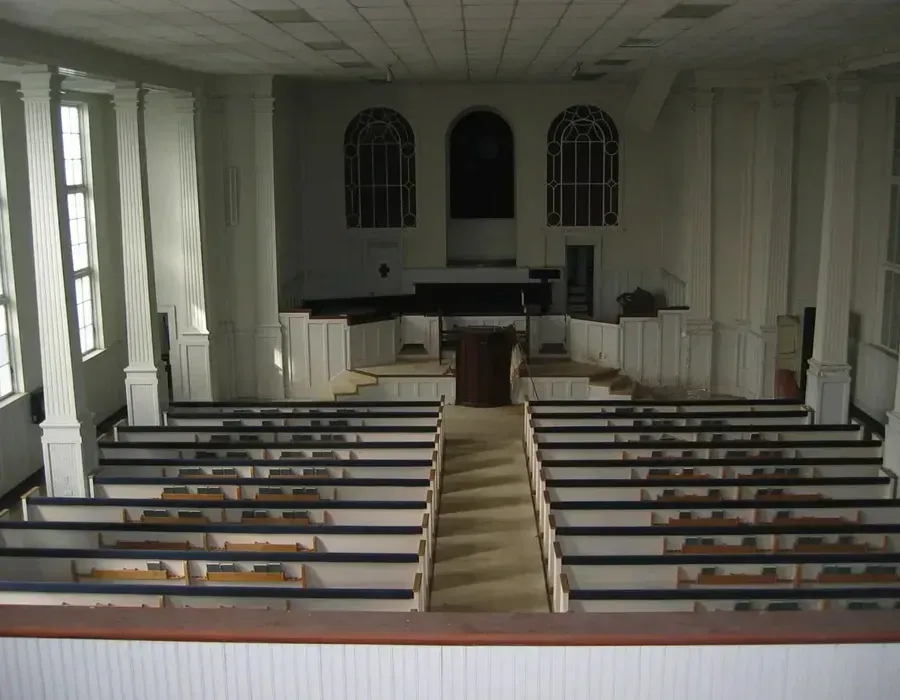
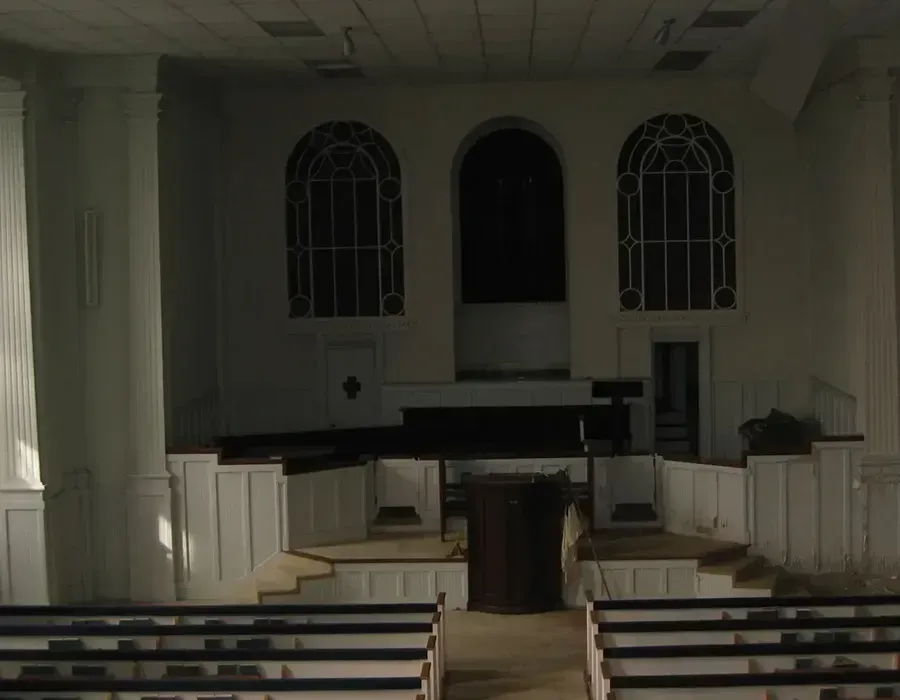
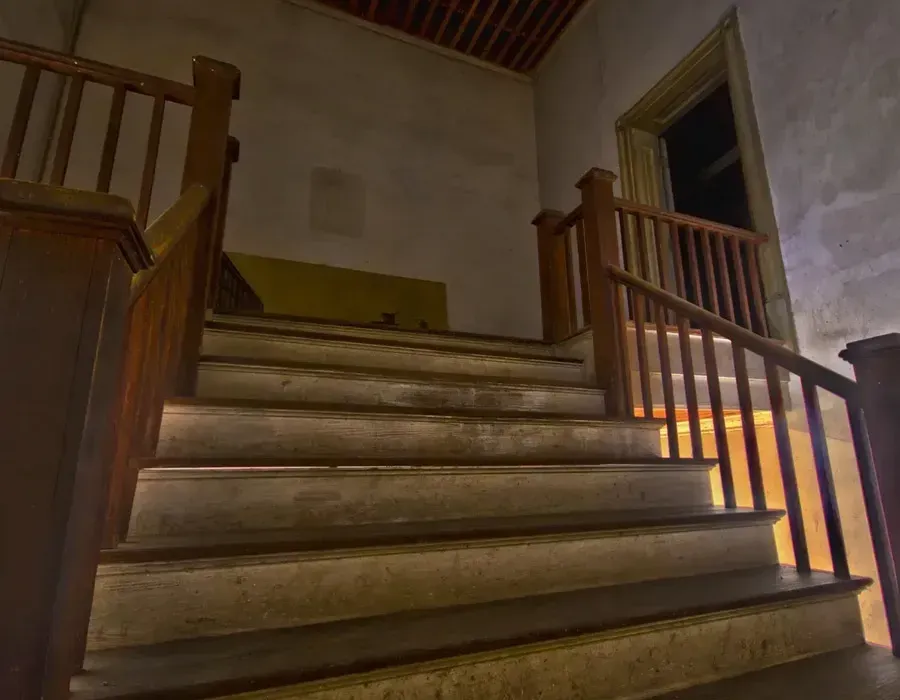
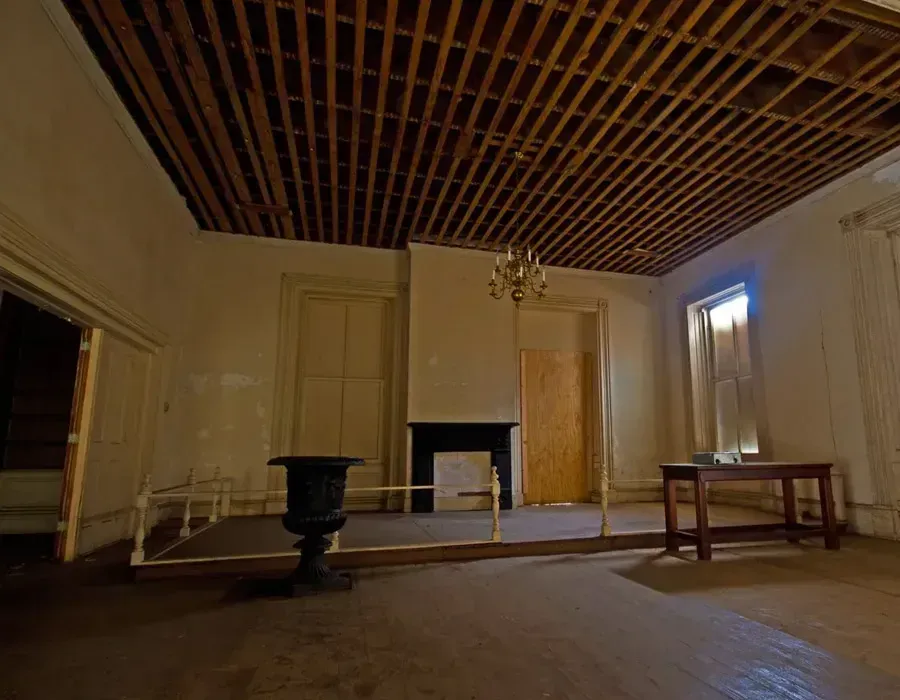
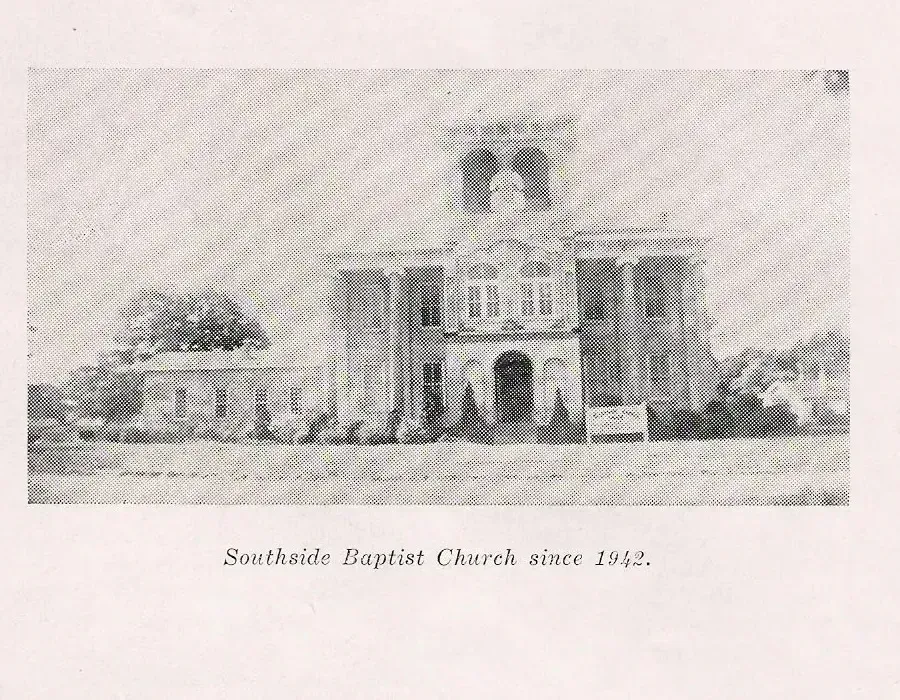
By 1940, the City of Tuscaloosa sold the house to Southside Baptist Church. The building was in a dilapidated state, but the church undertook restoration and remodeling efforts, particularly focusing on the interior. These changes helped stabilize the structure and gave it a new purpose as a place of worship and community gathering.

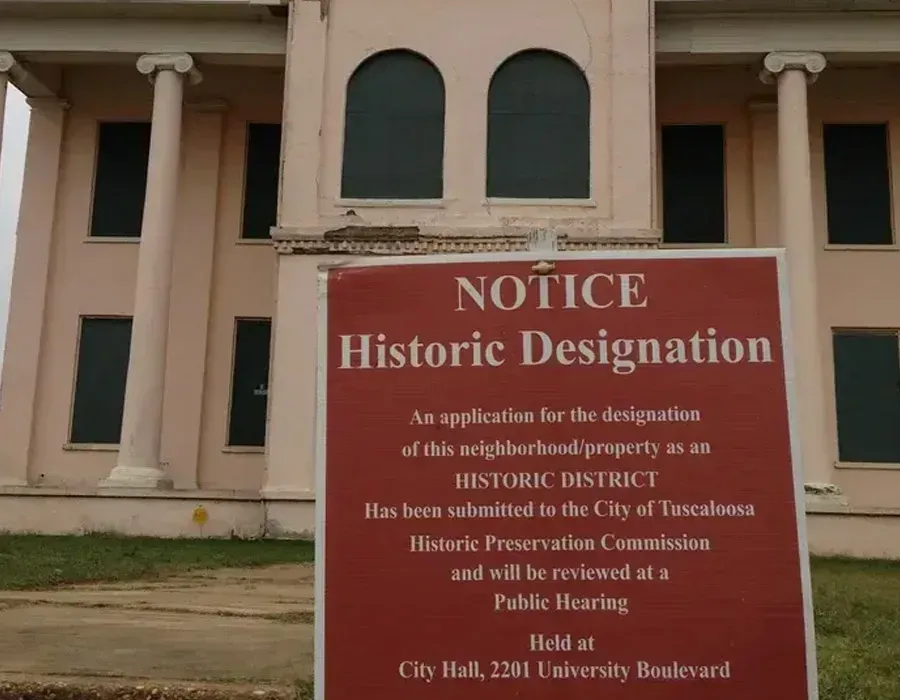
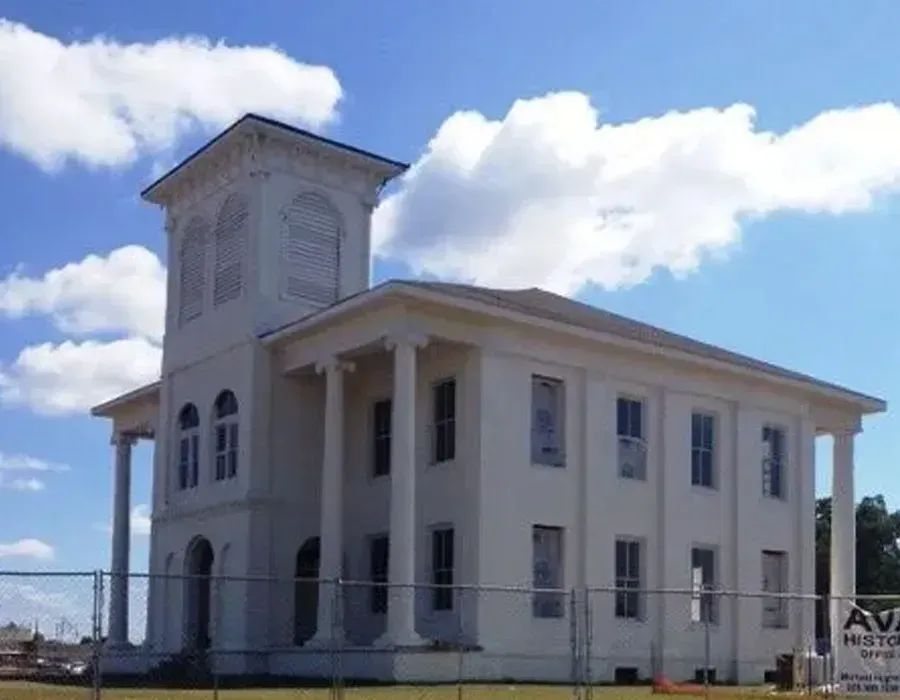
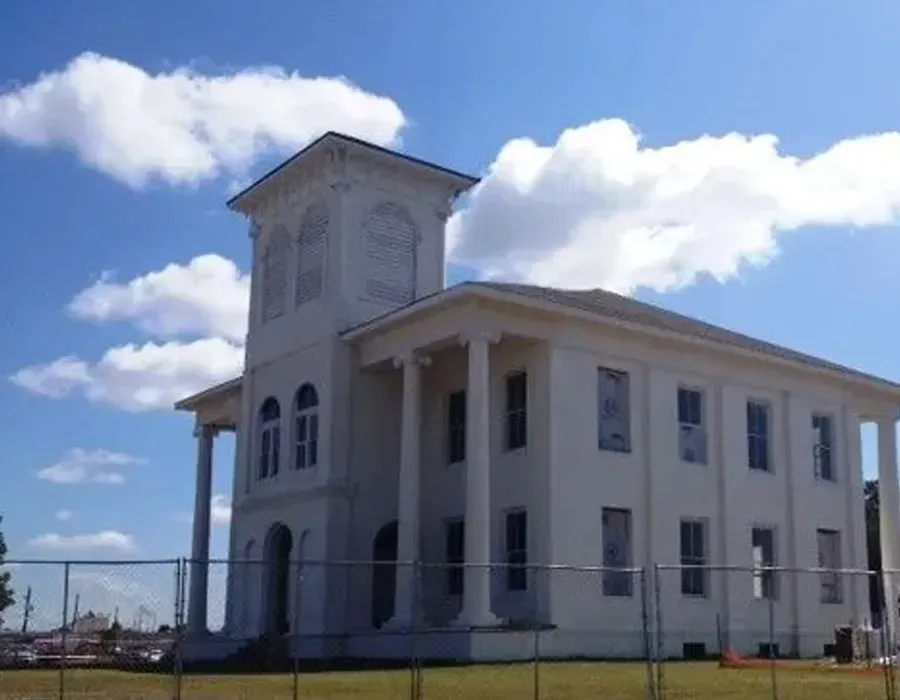
However, as the church congregation declined in the 1990s, the property was sold to the Tuscaloosa County Preservation Society. The society removed the additions made by the church and worked to stabilize the original structure. Their efforts have been crucial in preserving the Drish home as a historic landmark and a tangible piece of Tuscaloosa history.

Architectural Significance of the Drish Home

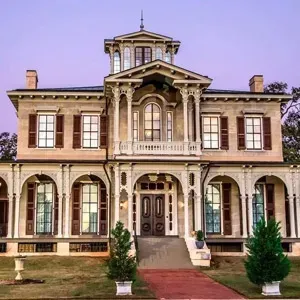
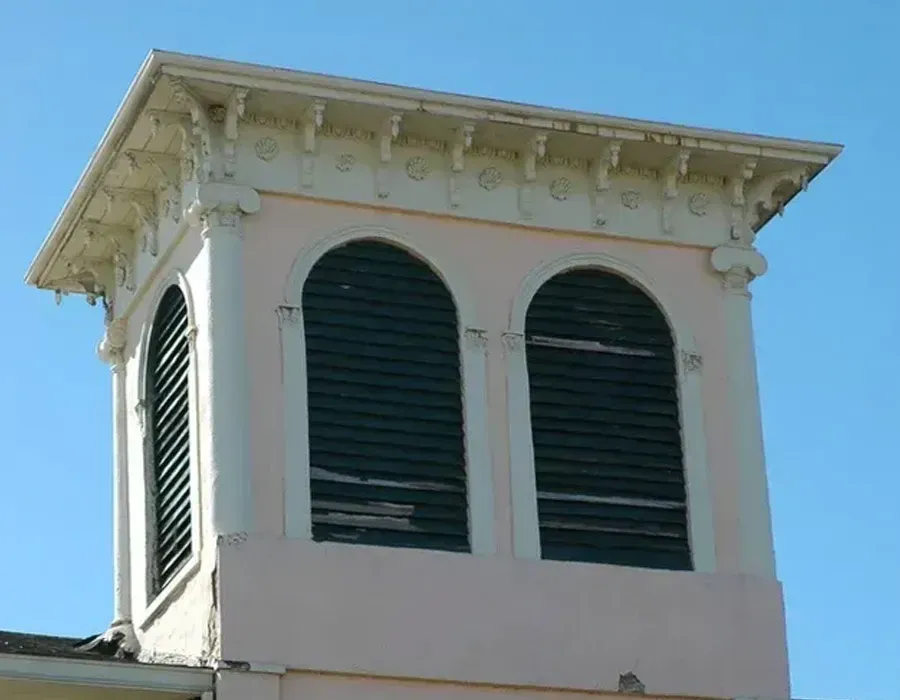
The John R. Drish House is a rare example of the "Bracketed Greek Revival" architectural style. This style combines elements of Greek Revival, popular in the early 19th century, with Italianate features that became fashionable in the late antebellum period. The result is a distinctive hybrid that reflects changing tastes and influences in southern architecture.

However, as the church congregation declined in the 1990s, the property was sold to the Tuscaloosa County Preservation Society. The society removed the additions made by the church and worked to stabilize the original structure. Their efforts have been crucial in preserving the Drish home as a historic landmark and a tangible piece of Tuscaloosa history.

This architectural combination makes the Drish home an important study subject for historians and architects interested in southern building styles and cultural influences.

The Drish Home in the Context of Tuscaloosa History

The story of the Drish home reflects broader themes in Tuscaloosa history, including the legacy of slavery, the transformation of southern plantations, urban development, and historic preservation. Each phase of the house’s life—from plantation residence to school, wrecking yard, church, and preserved landmark—mirrors shifts in the community’s social and economic fabric.

Studying the Drish home offers insights into:

  • The impact of slavery on architectural heritage
  • The challenges of adapting historic buildings to new uses
  • The role of photography in documenting and preserving history
  • The importance of local preservation societies in maintaining cultural landmarks

Continuing Legacy and Importance

Today, the Drish home stands as a symbol of resilience and change. Its preservation allows historians and visitors to connect with Tuscaloosa history in a tangible way. The house’s layered past encourages reflection on the complexities of southern history, including difficult chapters like slavery and neglect, alongside stories of restoration and community effort.

For historians, the Drish home provides a rich case study in architectural evolution, social history, and preservation challenges. It invites ongoing research and engagement, ensuring that its stories remain part of the public consciousness.

Years Owner / Status
1837–1869 Dr. John R. Drish
1869–1884 E.A. Powell (with Sarah Drish life estate)
1884–1902 Tuscaloosa Coal, Iron & Land Co. / William G. Cochrane
1902–1903 Rev. David Clay Lilly
1903–1906 Rev. James G. Snedecor
1906–1925 City of Tuscaloosa (school)
1925–1930s Charles Turner / Tuscaloosa Wrecking Co. (leased)
1930s–1940 Tuscaloosa Board of Education
1940–1990s Southside Baptist Church
1990s–2006 Heritage Commission of Tuscaloosa County
2014-present Nika and Matt McCool
A standard icon representing a PDF file document.
A black and white icon of a generic PDF document file with a curled corner.
A standard black icon representing a PDF document file format.
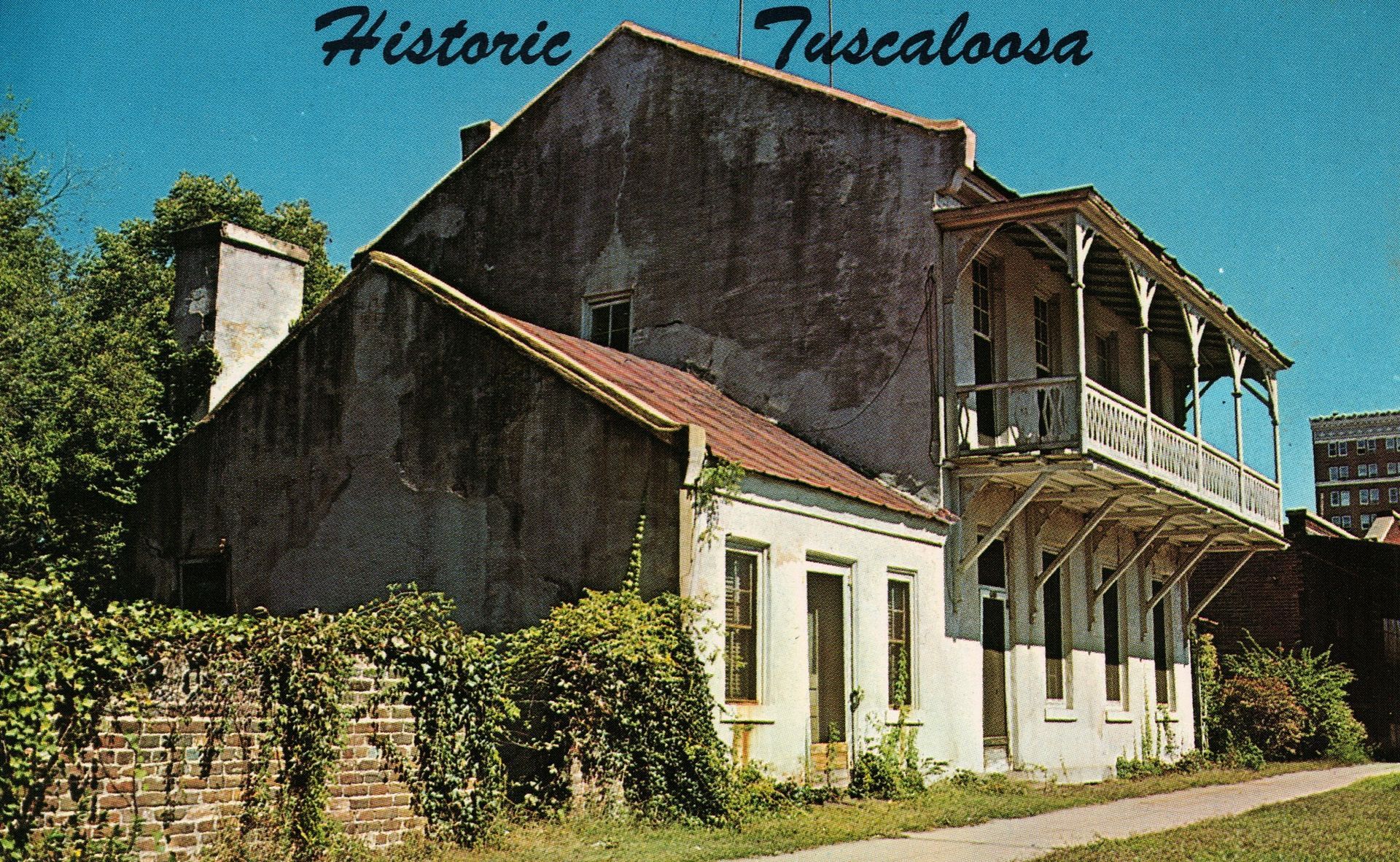
A vintage postcard of a historic, two-story white building in Tuscaloosa with a wooden balcony and brick chimney.
March 19, 2026
Come join us for a series of lectures that explores the fundamentals of historic preservation. Historic Tuscaloosa features live lectures from preservation professionals with a wide range of backgrounds and expertise, and includes interaction between participants and presenters through Q&A sessions Time & Place Sep 26, 2024, 5:30 PM – 7:00 PM Farrah Hall - Room 214, 513 University Blvd, Tuscaloosa, AL
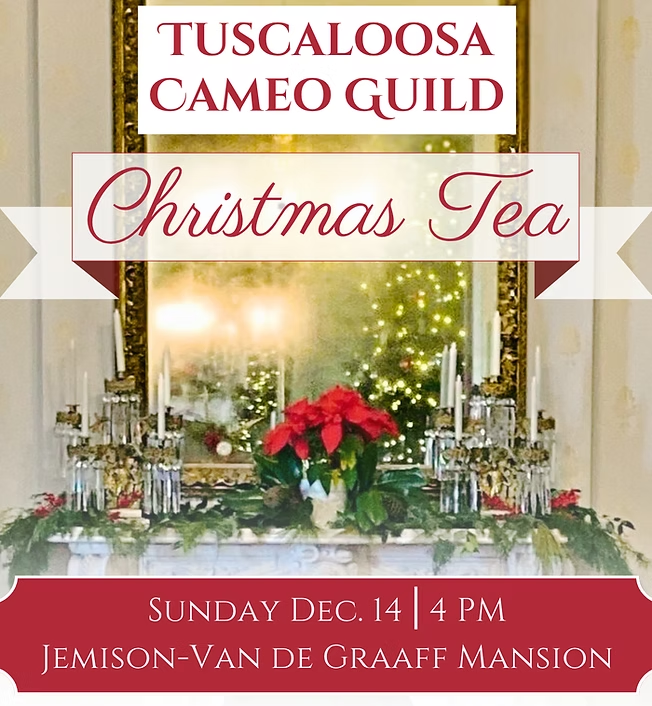
Tuscaloosa-Cameo-Guild-Christmas-Tea
December 14, 2025
“Join us for a Victorian Christmas Tea — a conversational tea where guests are encouraged to mingle, share stories, and enjoy lively discussion while sipping tea and savoring treats.”

bourbon-and-barbecue
December 11, 2025
Join us for an unforgettable evening at the Jemison-Van de Graaff Mansion on Thursday, December 11, 2025, from 6:00 PM – 8:00 PM for Historic Tuscaloosa’s third annual Bourbon & Barbecue fundraiser!