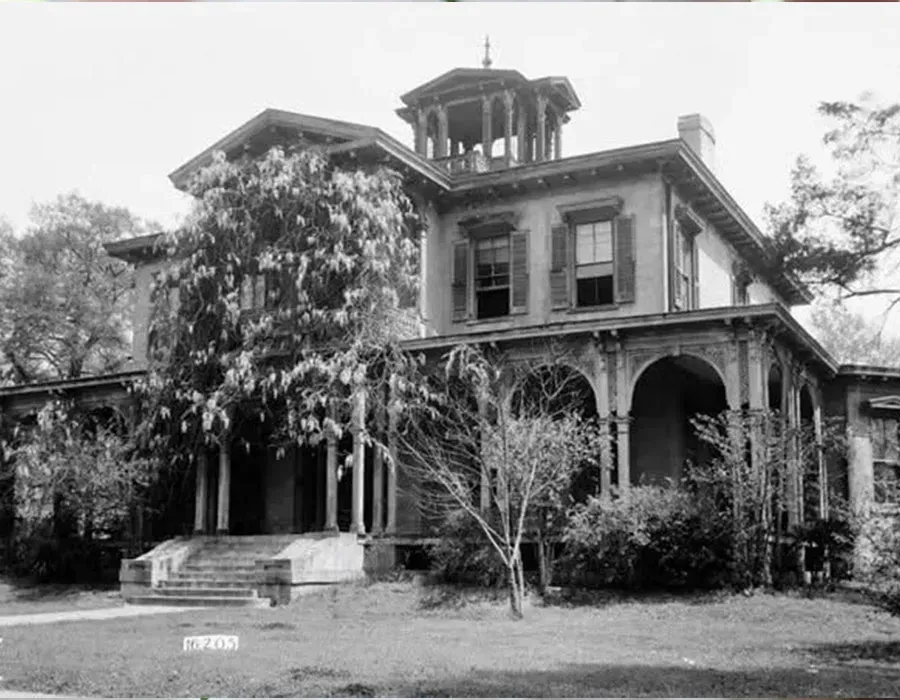
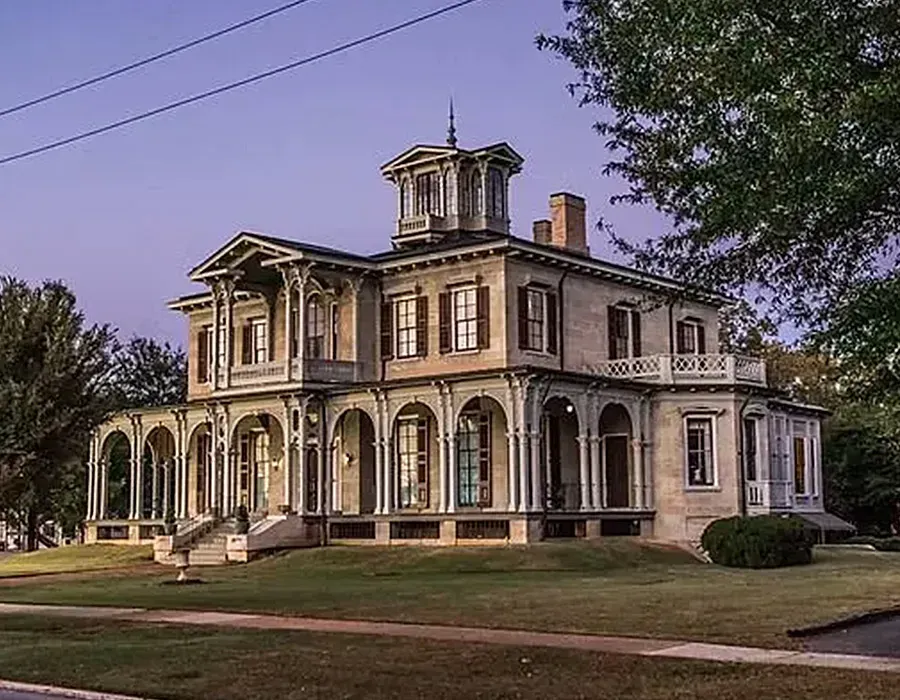
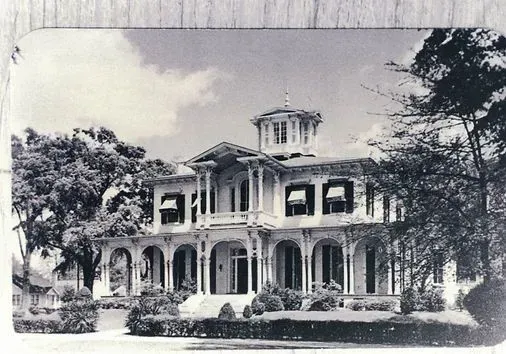
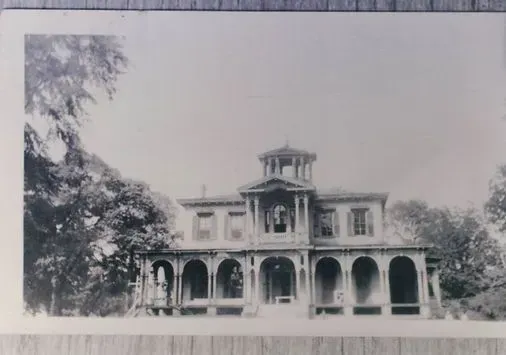
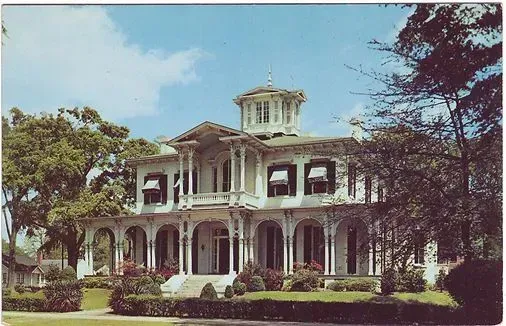
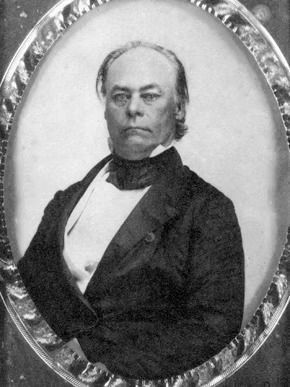
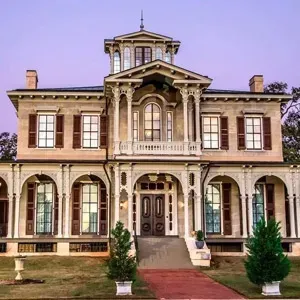
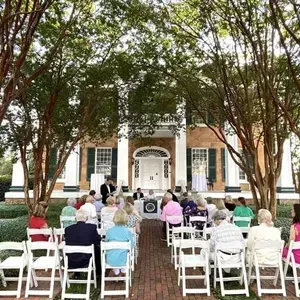
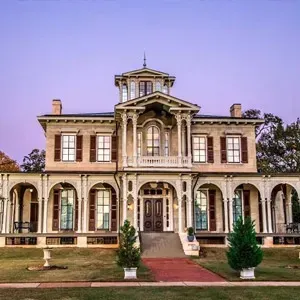
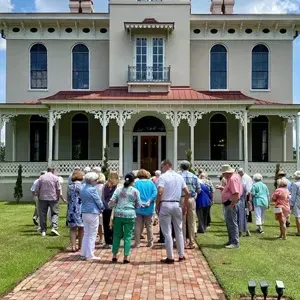
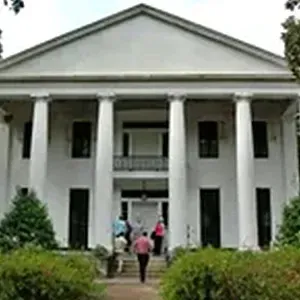
The Jemison-Van de Graaff Mansion was constructed by state senator Robert Jemison, Jr. between 1859-1862. Being a prominent politician and businessman, Jemison wanted a home closer to Tuscaloosa, which had served as the state capital from 1826 to 1846. Jemison originally built this mansion for entertaining and housing visiting colleagues.
The Jemison’s spared no expense creating this state-of-the-art city home. 14 different types of wood were used in the construction of the house. All but two came through Jemison Land Holdings. He wanted to showcase not only his personal wealth but also the wealth of the region. This house, Jemison’s weekend house, cost him $89,000 to build. The state of Alabama spent $50,000 building the state capital building, and that was for the land, materials, labor, and so forth. Jemison did not pay for the labor. He did not buy the materials. He obtained them from his own mill and land companies. Jemison spent almost twice the amount it took for the state capitol building just in the frills.
The Italianate-style house was designed by Philadelphia architect John Stewart who was in Tuscaloosa supervising the construction of Bryce Hospital.
The Jemison home incorporated the latest innovations in design and technology including an elaborate plumbing system that included running water, flush toilets, and a copper bathtub; a large conservatory to be warmed by a central heating plant (which was never installed due to the Yankee blockade) and indoor lighting fueled by coal gas manufactured in a machine located in the basement. Other modern features incorporated in the design were a boiler for producing hot water, a gas stove, an early form of “refrigerator” and a dumb waiter from the basement kitchen to the pantry located above.
The Jemison Mansion had the first built-in bathtub in the state. It was also the first house built with an indoor toilet as well.
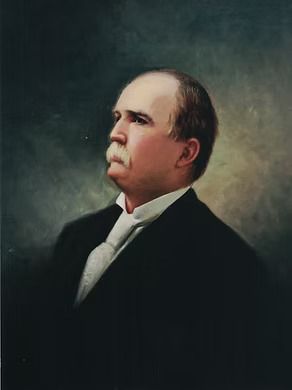
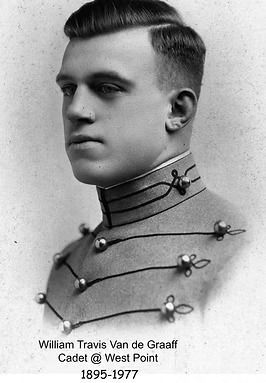
The home remained in the family well into this century. Four generations of Jemison’s and Van de Graff's have lived in the home carrying on the tradition of service to the community and the University. Among them are Colonel Andrew Coleman Hargrove, the Confederate Army Office and one-time dean of the University Law School who married Jemison's daughter Cherokee Mims Jemison. Their daughter, Minnie Cherokee Hargrove married A.S. Van de Graff, a circuit court judge.
After the Van de Graaff’s sold the house in 1936, the mansion was used as an apartment complex for numerous years.
The mansion saw its second set of owners in 1945 when the home was purchased by J.P. & Nell Burchfield. They returned it to a single-family residence and made some major renovations. Mrs. Burchfield painted everything white and green and added a few modern touches, as well.
The structure was in danger of being demolished in 1955, at which time, Hugo Friedman (Battle-Friedman Home) bought the mansion and presented it to the Tuscaloosa County Commission to be used as a public library. Between 1955-1957, the structure was renovated to meet the needs of a public library. The house served a generation of Tuscaloosans as the Friedman Public Library before it once again returned to private hands.
In 1979, Gray Boone purchased the property to serve as offices for Antique Monthly, with expectations that the house be restored, preserved, and maintained.
The house was jointly purchased August 8, 1991, by Historic Tuscaloosa (TCPS) and the Heritage Commission of Tuscaloosa County with block grant funds made available by the City of Tuscaloosa.